
Balayage
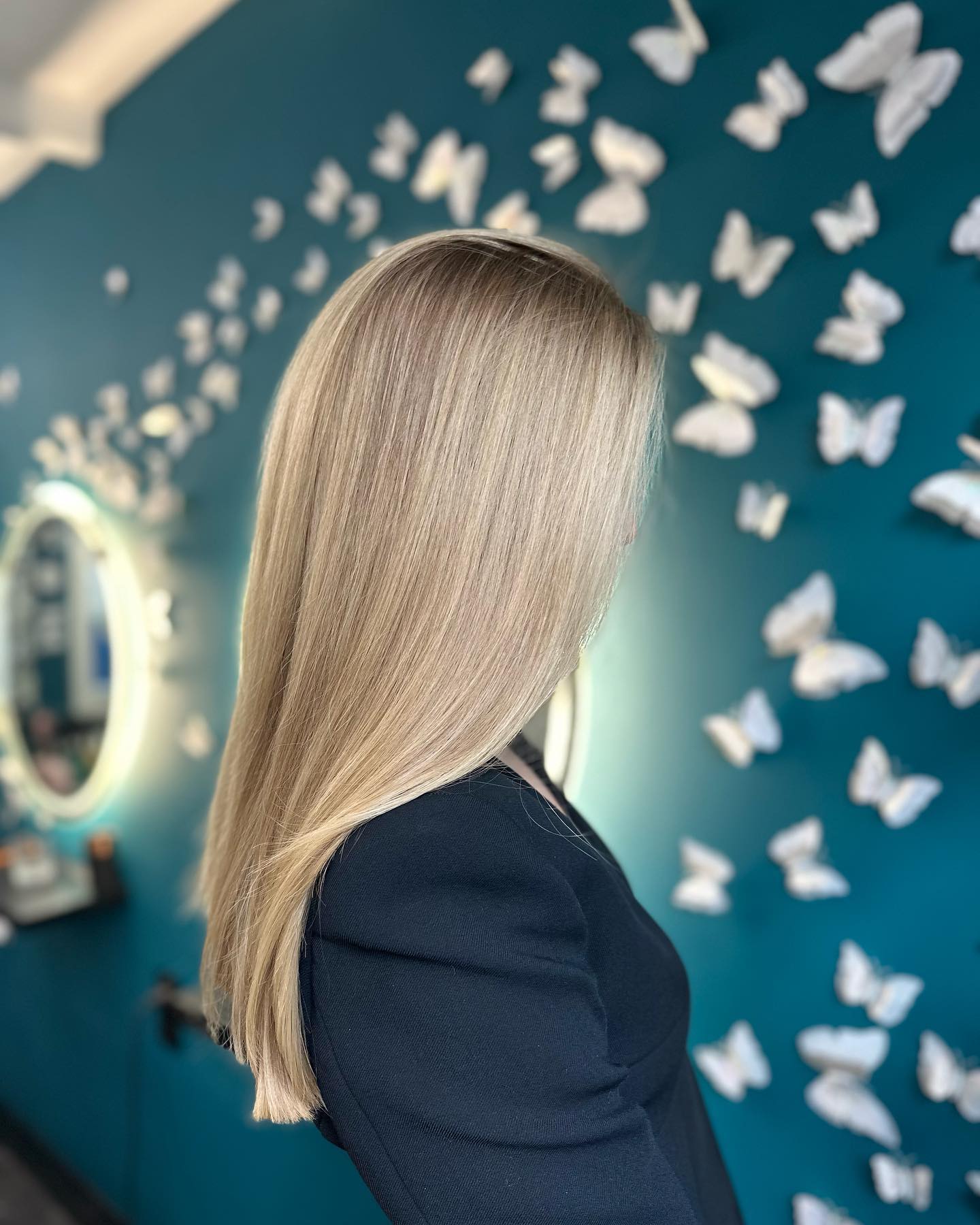
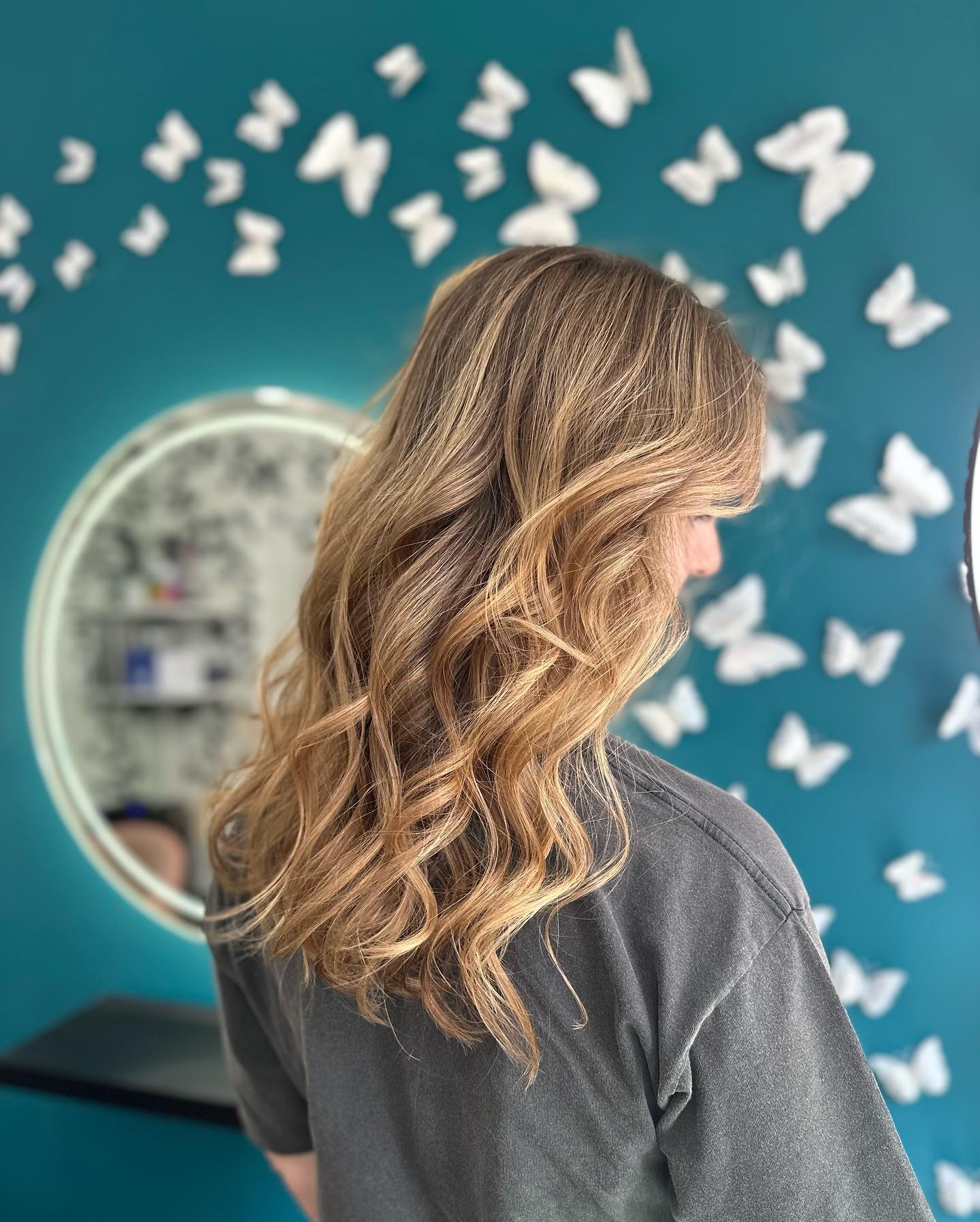
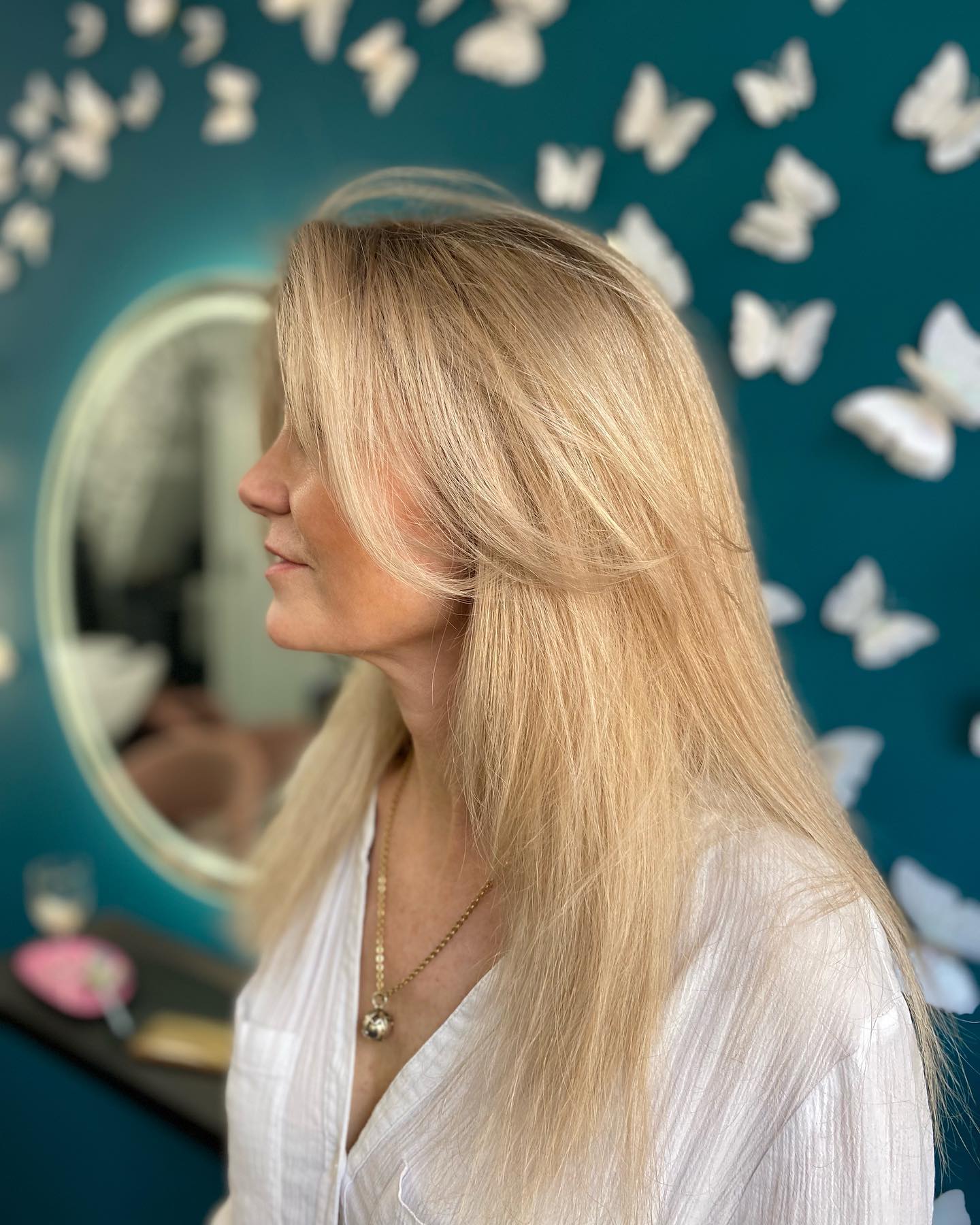
Freehand lightening with a softer root and a gradual grow-out. A good option when you want dimension without a strong regrowth line.
Blonde & colour · Amsterdam
Blonde is not one colour, and it is not one technique.
The right approach depends on the hair in front of you: its natural base, texture, density, length, condition, previous colour and how light you want to go.
Aram Manoukian has more than 25 years of professional hairdressing experience. At his private studio in central Amsterdam, blonde work starts with the hair in front of him: what it can safely tolerate, what has been done before and how that relates to the result you want.
Depending on the starting point, that may mean balayage, highlights, AirTouch-style blonding, toner, colour correction — or a combination planned over time.
One client at a time. One pair of hands from consultation to finish.
Two clients can bring the same reference photo and need completely different work to get there.
On one head of hair, soft freehand balayage may create enough lightness. Another may need highlights for more brightness through the root. Someone looking for a very diffused transition may be better suited to AirTouch-style blonding. Previously coloured hair may need correction before any new blonde work makes sense.
The technique is chosen for the result and the hair — not the other way around.
Freehand lightening with a softer root and a gradual grow-out. A good option when you want dimension without a strong regrowth line.
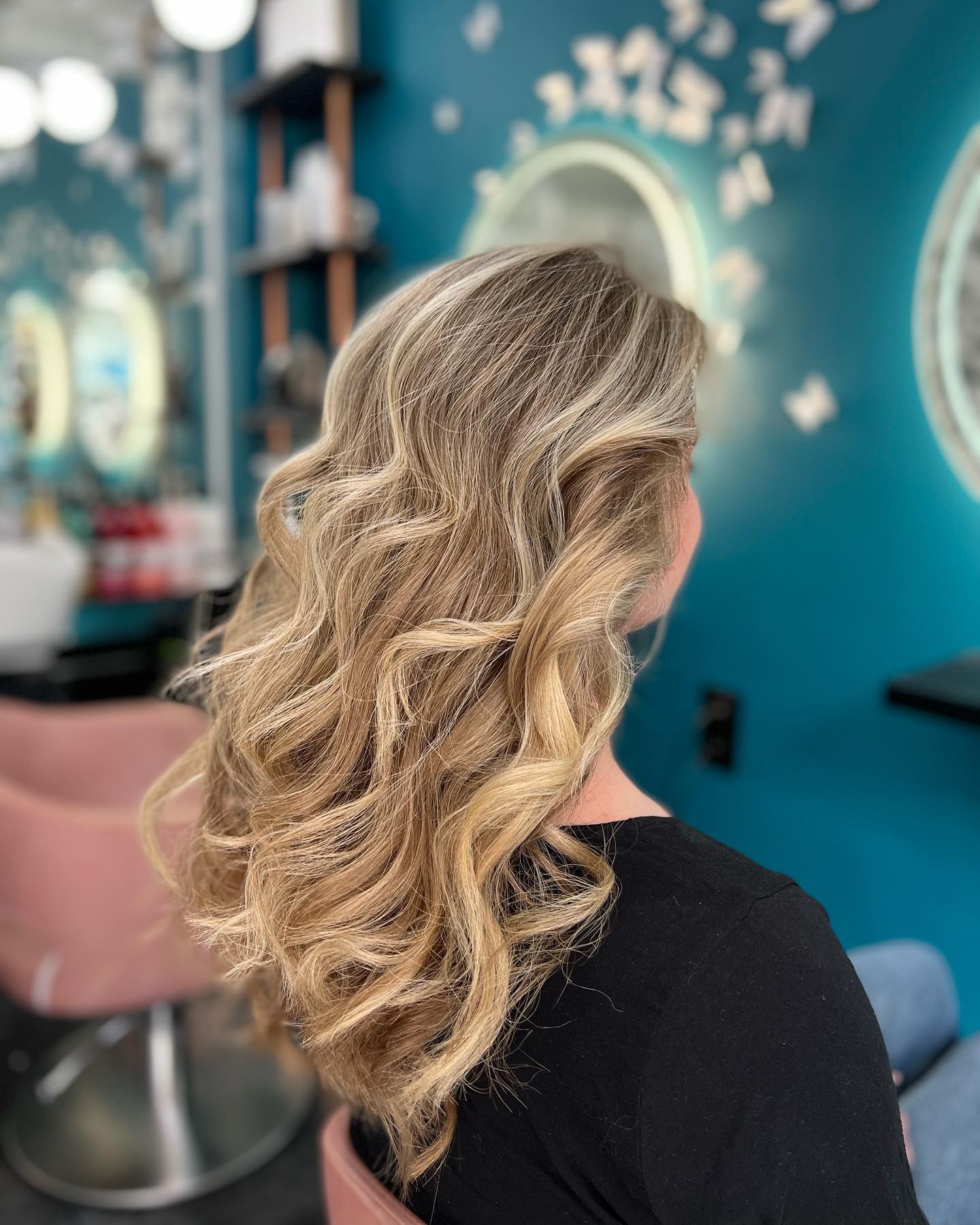
Foil work for brighter, more even lightness and greater control over placement from the root.
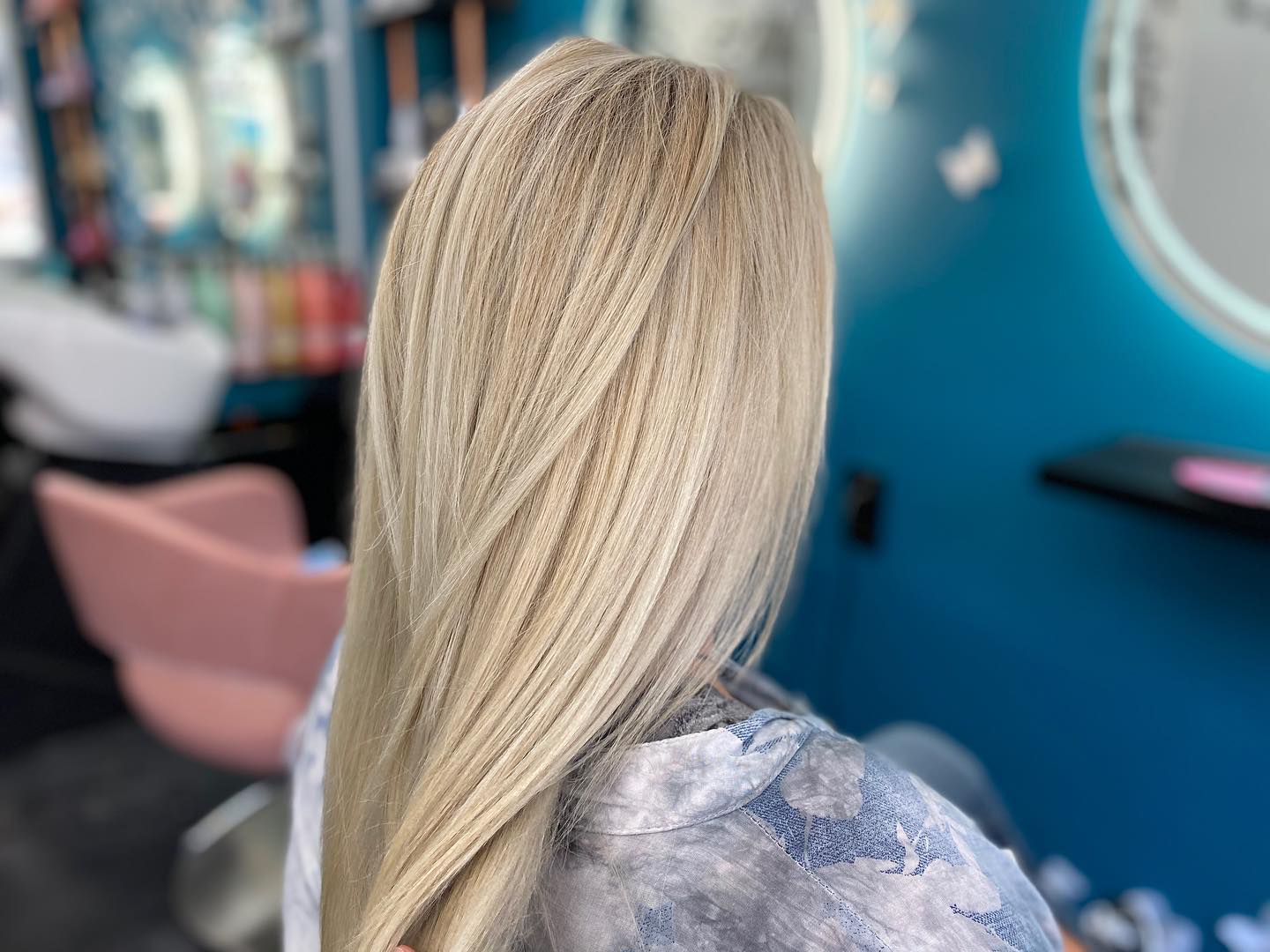
A soft, seamless blonde with a natural diffused transition at the roots. Placement and tone are adapted to the starting hair and desired result for a refined finish and maintainable grow-out.
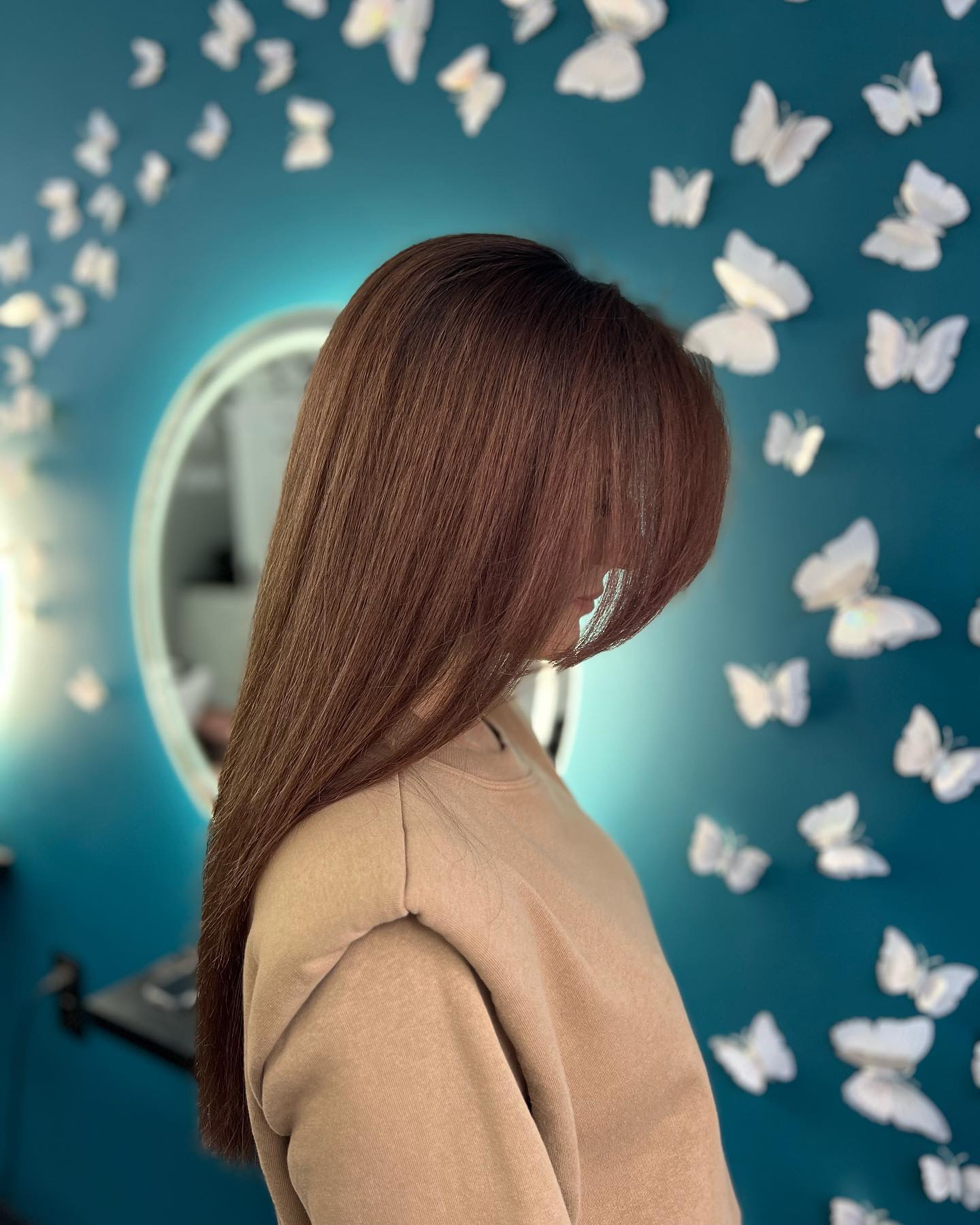
For hair carrying box dye, banding, brassiness, uneven lightening or previous colour that changes what can safely be done next.
Colour starts with what is already there.
Aram looks at your natural base, texture, density and length; how porous or fragile the hair feels; where previous colour is sitting; how many times it has been lightened; and how the hair has responded before.
Your reference photos matter, but they are a direction rather than a formula. The same shade can behave very differently on fine natural hair, dense dark hair, or lengths carrying several years of previous colour.
This is also why price, timing and the number of appointments cannot always be decided from a photograph. The hair needs to be assessed first.
Dark hair can become lighter, but the starting point decides how quickly and how far it can go.
Natural dark hair and previously coloured dark hair are not the same problem. Artificial pigment can lift unevenly, reveal warmth or leave darker bands where colour has been applied repeatedly. Old highlights and box dye also change what the hair can safely tolerate.
Sometimes a significant change is possible in one appointment. Sometimes the better route is two or more stages. If previous colour has to be removed or repaired before the new result can be built, the work becomes colour correction rather than a straightforward blonde appointment.
You will be told which situation applies before the work begins.
Lightening is not a race.
If your hair has been heavily lightened recently, feels fragile, or has been through a colour service that did not go as planned, Aram may recommend doing less or waiting before lightening it again.
There is no fixed waiting period. It depends on the condition of the hair, what has been done before and what you want to achieve next. Sometimes the work can be divided into stages. Sometimes the right plan is to leave the hair alone for a few months and come back when it is in better condition.
If the safest answer is not to lighten today, that is the answer you will get.
The priority is the condition of the hair and the quality of the result — not fitting the maximum amount of colour work into one appointment.
The aim is not to make the hair as light as possible in a day. It is to create a blonde that looks right and still feels like your hair afterwards.
Sometimes the right answer is not “yes”, but “not yet”.
Blonde is not simply a scale from dark to light.
Cool, neutral, beige, honey and warmer blonde tones interact differently with skin, natural colouring and the depth left in the hair. Toner can refine that result after lightening, but toner cannot replace lightening that has not gone far enough — and more lightening is not automatically the better answer.
The final tone is decided after looking at both the reference and the hair itself.
The exact quote is agreed before any colour is mixed.
Balayage: €200–€290
Highlights: €200–€290
AirTouch-style blonding: €220–€300
Toner: €110–€180
Most AirTouch-style blonding appointments take approximately 2.5–3 hours in total. Exact timing depends on the starting hair, previous colour and the work required.
Length, density, starting colour, previous colour and the amount of work involved affect both time and price.
Not sure whether you need balayage, highlights, toner, correction or something else?
Start with a conversation.
The studio offers a complimentary 15-minute consultation for any hair or colour question. Bring reference photos if you have them, and be as open as you can about previous colour and lightening. The more Aram knows about the history of the hair, the more accurately he can tell you what is realistic now.
There is no obligation to book a colour service afterwards.
Often, yes, but the result possible in one appointment depends on whether the dark colour is natural or artificial, the condition of the hair and how light you want to go. Some changes are safer when divided into more than one session.
Often, but previous colour changes the process. Box dye, old highlights and repeated colour can lift unevenly, so the hair needs to be assessed before deciding how much lightening is safe.
Balayage generally gives a softer root and more gradual grow-out. Highlights can create more even brightness and can be worked closer to the root. Which one suits you depends on the result you want and your starting hair.
AirTouch-style blonding creates a soft, seamless blonde with a natural diffused transition at the roots. The placement and tone are adapted to your starting hair and desired result for a refined finish and maintainable grow-out.
Often, but not always. Toner refines the tone after lightening — for example when a blonde needs to read cooler, softer or more neutral. Whether it is needed depends on what the hair looks like after it has lifted.
Aram may recommend doing less or waiting before lightening it again. There is no fixed waiting period. The decision depends on the condition of the hair, its colour history and what you want to achieve next.
Often, yes. Sometimes the solution is toner; sometimes further lightening or different placement is needed. If existing colour needs to be undone or rebuilt, the appointment may be treated as colour correction.
No. The studio does not offer an all-over bleach-out service. Blonde work is planned using balayage, highlights, AirTouch-style blonding, toner or colour correction according to the hair and the intended result.
Current studio prices start from €200 for balayage and highlights, €220 for AirTouch-style blonding and €110 for toner. The exact price is agreed after assessing the hair and before colour is mixed.
A complimentary 15-minute consultation is recommended for any blonde or colour question, particularly when the hair has previous colour or you are considering a significant change.
Yes. The studio also works in Dutch, Russian, Ukrainian, Armenian and Arabic.
Aram Manoukian Hair Studio is at Geelvinckssteeg 10-A, 1017 BE Amsterdam, in the city centre. Appointments are by reservation.